STEM Projects
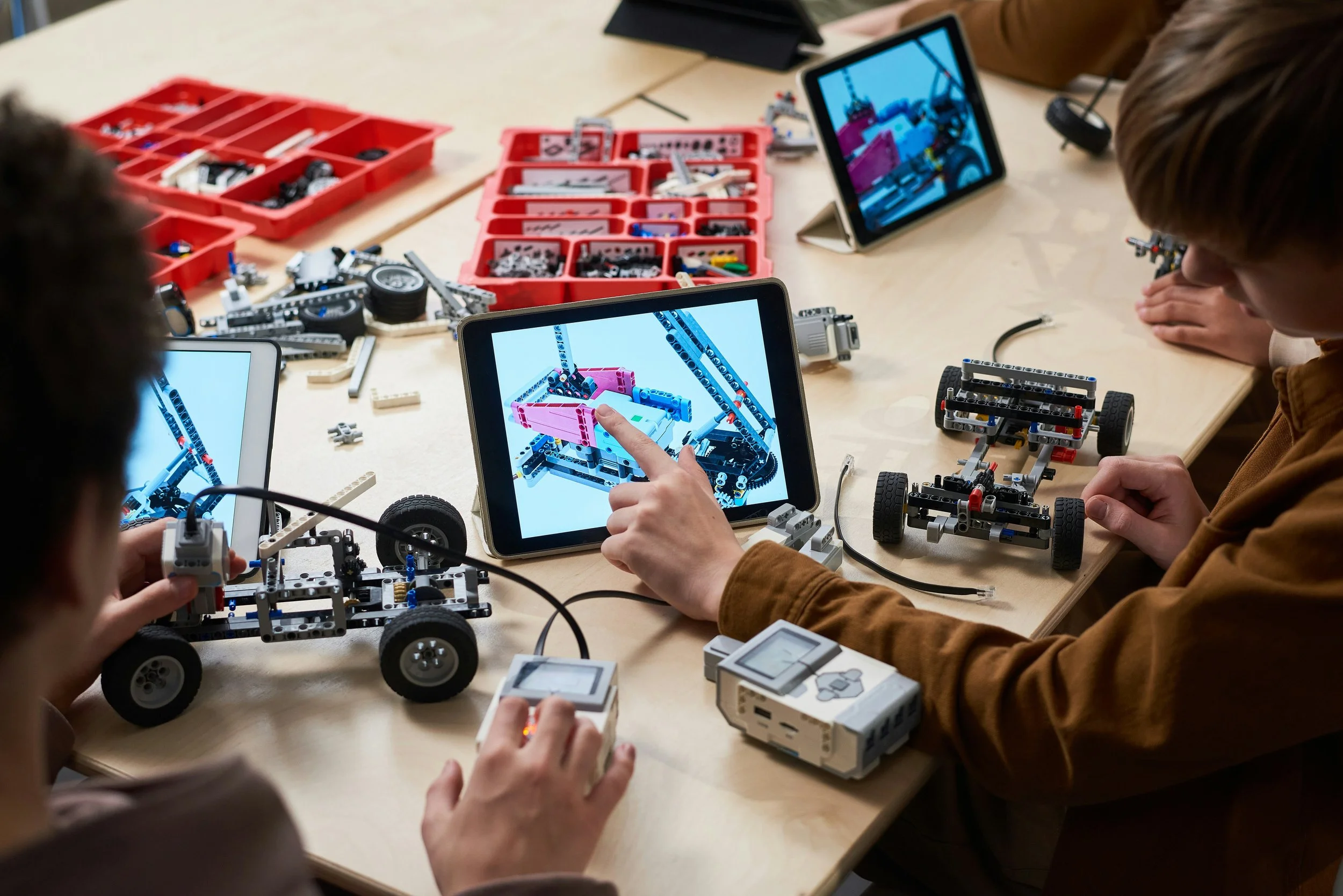
We give children hands-on experiments and challenges that spark curiosity about the world around them. Through a variety of science-based activities, kids develop problem-solving skills, critical thinking, and confidence in their own discoveries, all while having fun.
MAGNET CHASERS
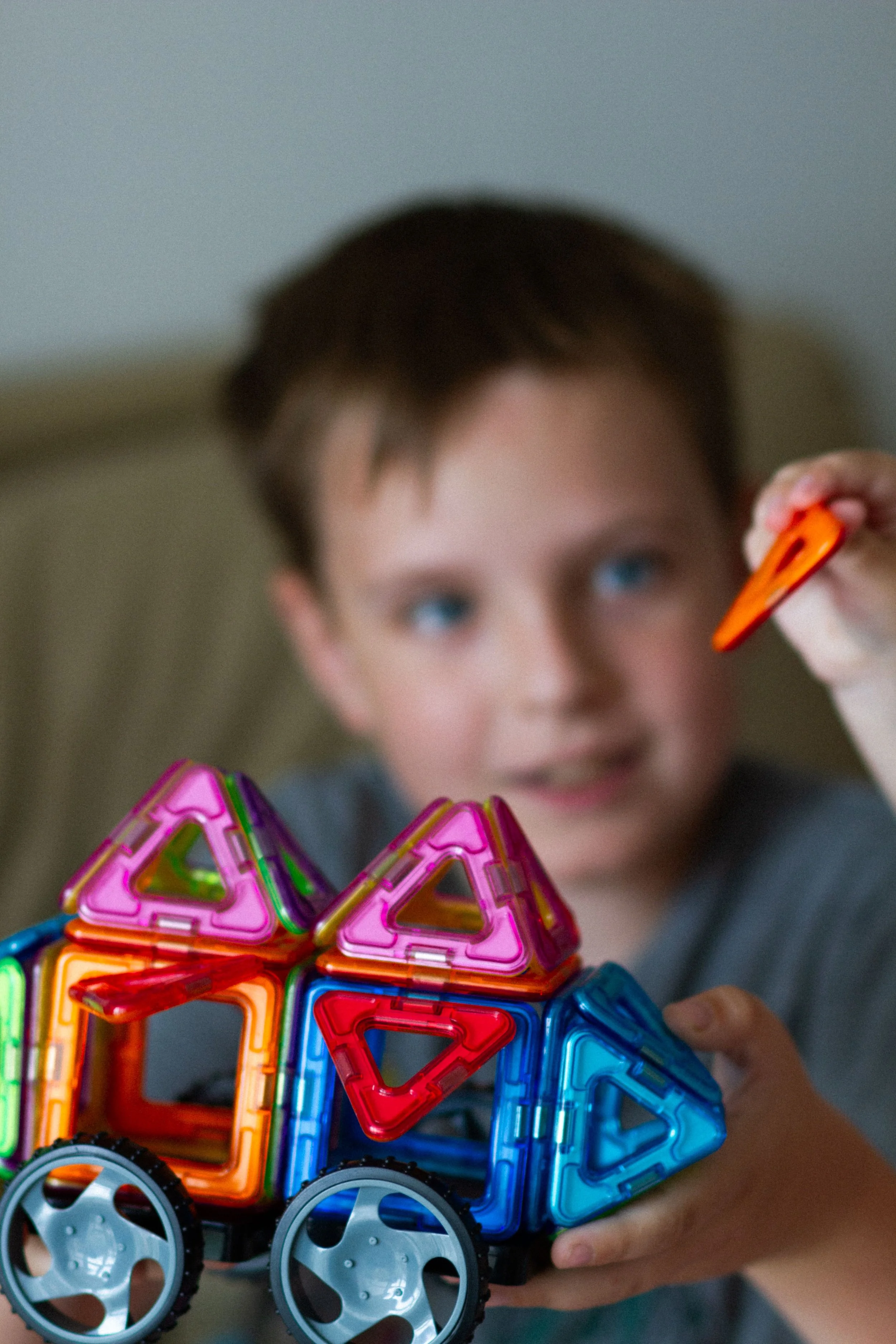
Involves students exploring the invisible force of magnetism through a series of hands-on challenges. They test which objects are magnetic, make magnetic “ghost” mazes, and build magnet-powered racers and floating puzzles. Students predict, test and discover how magnets attract, repel and move objects without touching them.
Resources supplied
Ferrite and bar magnets (no small, loose magnets)
Magnetic wands and magnetic tiles
Collection of magnetic and non-magnetic objects for testing
Paper plates, cardboard and card for maze building
Small metal cars, paper clips and washers
Compasses to explore magnetic fields
Sealed iron filing tubes for field patterns
Prediction sheets, pencils and markers
Trays, drop sheets and wet wipes
How we will set it up
Tables are set up as testing stations, each with a tray of magnets and mystery objects.
We begin with a “magnet mystery” challenge: students predict which objects will stick, then test them.
Students build a magnetic maze or racetrack on cardboard and guide a metal car through using a magnet underneath.
Older students investigate poles, repulsion and magnetic fields with compasses and filing tubes.
The session ends with a group challenge, such as the longest magnetic chain or the best floating puzzle.

POTION LAB
Involves students becoming young scientists, mixing safe, everyday ingredients to create colourful bubbling, fizzing and foaming potions. They observe chemical reactions, such as colour changes, bubbles and “volcano” eruptions, then record what they see and try to work out why it happens. Students experiment freely and design their own potion recipes.
Resources supplied
Bicarbonate of soda, vinegar, citric acid and dish soap (food-safe)
Red cabbage indicator and food colouring for colour-changing experiments
Clear cups, test tubes, beakers and droppers
Measuring spoons, jugs and stirring sticks
Trays to contain spills
Child-safe safety goggles
Experiment record sheets and pencils
Aprons, drop sheets, towels and wet wipes
How we will set it up
Trays are set up at each station with labelled ingredients and equipment.
We begin with a short demonstration of a fizzing reaction and ask, “What do you think is happening?”
Students follow simple recipes, then experiment with their own mixtures.
Older students explore acids and bases with a colour-changing indicator and record their results.
The session ends with a big group “eruption” finale, with all of the mixtures going into a giant foam fountain.
BUG DETECTIVES
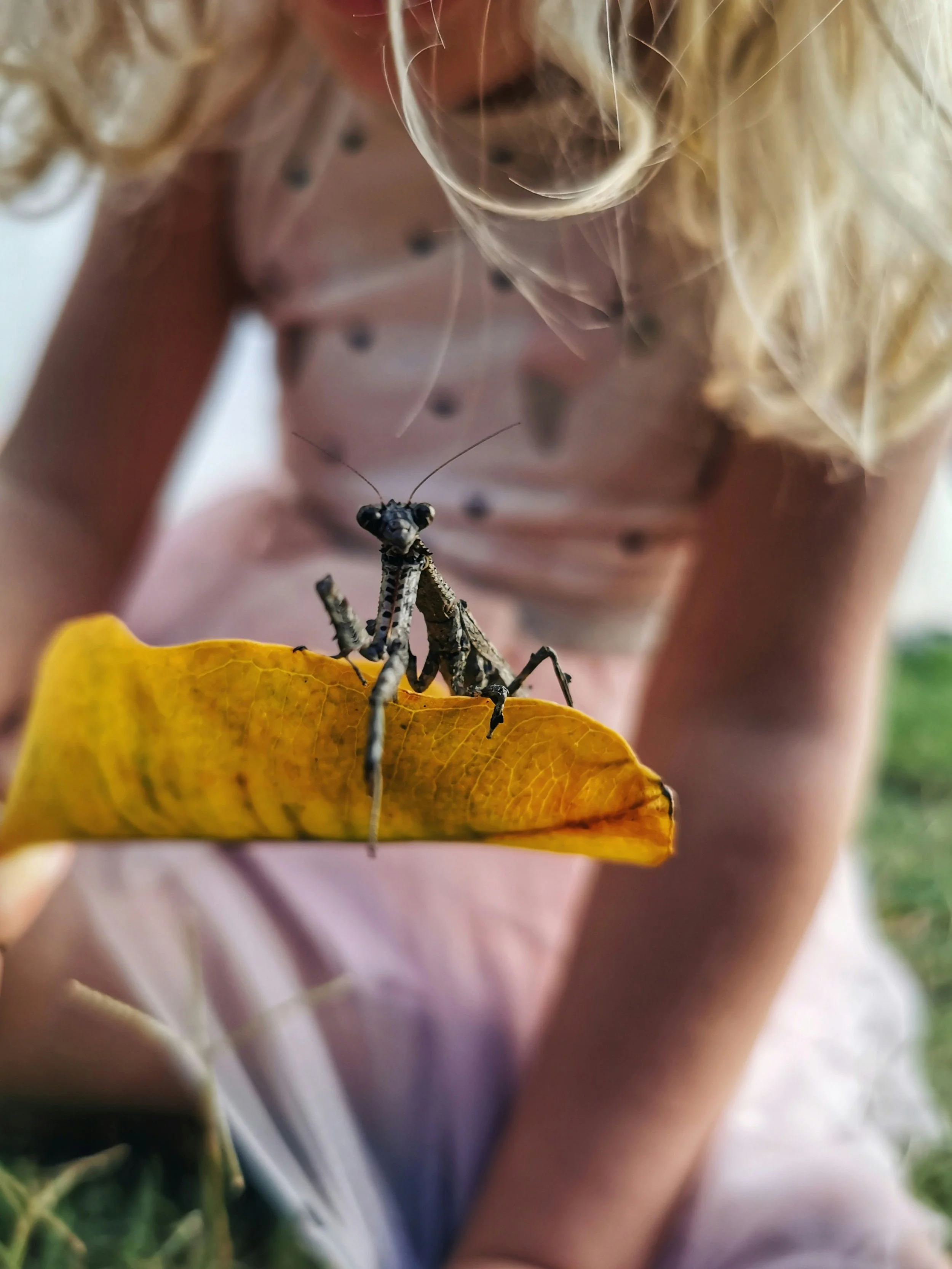
Involves students becoming bug detectives, searching for, observing and learning about the insects and minibeasts that live around them. They use magnifying glasses and bug viewers to examine each creature, sketch what they see and learn how its body, habitat and behaviour help it survive. All creatures are handled gently and returned to where they were found, so students learn to respect and care for living things.
Resources supplied
Magnifying glasses and clear bug viewers
Soft paintbrushes and collecting spoons for gentle handling
Insect and minibeast identification cards
Clipboards, sketch pads and pencils
Collection trays and habitat displays (leaf litter, logs, rocks)
Model insects and life-cycle cards
Hand sanitiser, wet wipes and gloves
Clear safety guidelines for outdoor exploration
How we will set it up
We begin with a short introduction to insects, such as body parts, habitats and why they matter.
Students are given a detective kit and a “bug map” for the area, with safe zones to search.
Small groups hunt for minibeasts in gardens, under logs and in leaf litter, observing them with magnifying glasses.
Students sketch and record their discoveries, using the identification cards to name their finds.
All creatures are returned to their homes, and the session finishes with a group sharing of the most surprising discoveries.
CIRCUIT SPARKS
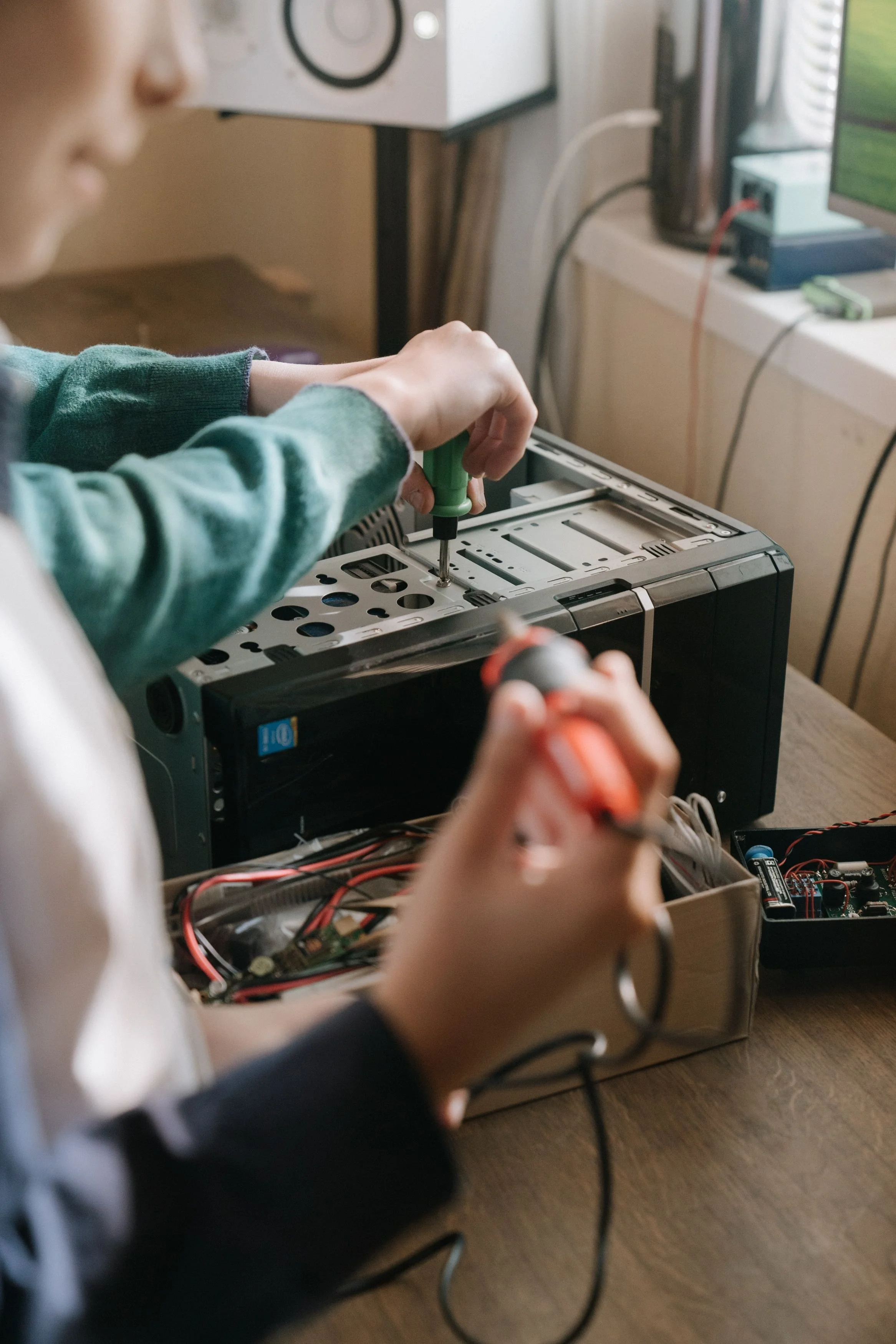
Involves students building their own simple circuits to light up bulbs, buzz buzzers and spin motors. They discover how electricity flows in a closed loop, then use their circuits to power creations such as light-up cards, glowing creatures or a small switch-controlled game. It’s a hands-on introduction to electricity and engineering.
Resources supplied
Low-voltage battery packs (AA or AAA, with enclosed holders)
Alligator clip leads and copper tape
LEDs, small bulbs, buzzers and mini motors
Switches, conductors and insulators to test
Cardboard, craft materials and card for decorating
Circuit planning sheets and pencils
Trays and sorting containers
Wet wipes and table coverings
How we will set it up
Each pair or small group receives a circuit kit with a battery pack, a bulb and clips.
We begin with a “light the bulb” challenge: how can we make it glow?
Students test conductors and insulators, then explore open and closed circuits.
Older students add switches, buzzers or motors, and design a simple light-up creation.
Creations are shared with the class, and students explain how their circuit works.